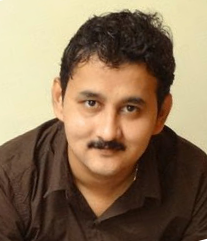
 Imma Subirats is a Senior Knowledge and Information Management Officer at the Food and Agriculture Organization (FAO), where she leads key programmes including AGROVOC, FAO AGRIS, and AGORA to improve the accessibility and visibility of agricultural knowledge from member countries. She also oversees capacity-building initiatives for researchers, librarians, practitioners, and policymakers. She serves as Chair of the IGAD Community of Practice at the Research Data Alliance and manages the AIMS Community of Practice.
In this email interview with Santosh C H for Open Interview, Imma highlights the growing importance of open science and the leading role of the FAO in advancing it through initiatives like FAO AGRIS, FAOSTAT, and its Knowledge Repository. She emphasizes the impact of Creative Commons licensing in enhancing data reuse, particularly in the Global South, and discusses efforts toward multilingual access, interoperability, and capacity development via the FAO eLearning Academy. Drawing on her work with the AGROVOC Multilingual Thesaurus and the Research Data Alliance, she also addresses ethical and governance considerations for AI use of open data, while encouraging greater engagement of LIS professionals in FAO’s open knowledge initiatives.
.
• In the light of current global trends in open science, what key developments do you find most transformative, and what do you foresee for open science in the years ahead?
In the context of current global trends in open science, one of the most transformative developments is the emergence of open science ecosystems. This goes far beyond simply making research outputs accessible or free of charge. Instead, it reflects a shift toward integrated, interconnected, and increasingly machine-actionable infrastructures that enable knowledge to be discovered, linked, and reused in real time.
These ecosystems combine repositories, persistent identifiers (PIDs), shared protocols, and collaborative communities. A key trend within this space is the growing emphasis on interoperability and machine-actionability, ensuring that data and publications are not only accessible to humans but also understandable and reusable by machines. Closely related is the move toward “FAIR by design”, where data and research outputs are structured from the outset to be findable, accessible, interoperable, and reusable.
Another important development is the rise of contextualized data. Rather than relying solely on keywords, emerging platforms are increasingly using semantic web technologies—such as knowledge graphs—to provide richer context and connections between research outputs. This significantly enhances discoverability and supports more advanced forms of analysis.
At the same time, artificial intelligence and big data are becoming central to scientific progress. AI-driven approaches are accelerating data-driven discovery across disciplines, but their effectiveness depends fundamentally on the availability of open, high-quality datasets. In this sense, open science is not just a parallel movement but a prerequisite for the full potential of AI in research.
Finally, we are witnessing the development of next-generation, decentralized infrastructures. Technologies associated with decentralized web and cloud ecosystems—such as distributed storage and open-source platforms—are being explored as alternatives or complements to centralized systems. These approaches can enhance data ownership, resilience, and long-term sustainability.
Looking ahead, open science is likely to become more deeply embedded in the research lifecycle, moving from a set of principles to a fully operational and global system. The convergence of interoperability, AI, and decentralized infrastructure will play a critical role in shaping a more transparent, efficient, and collaborative scientific enterprise.
• From your perspective, what are the most significant open science accomplishments of the UN system, and where does FAO position itself among UN agencies in this regard?
From a global perspective, the United Nations system has played a pivotal role in advancing open science, particularly through the development of shared norms, policies, and infrastructures.
A landmark achievement in this regard is the adoption of the UNESCO Recommendation on Open Science (2021), the first international standard-setting instrument on open science. Endorsed by 193 Member States, it establishes a common framework of principles and actions to promote openness, inclusivity, and collaboration in scientific research worldwide.
In parallel, other UN agencies have reinforced their commitments. For instance, the World Health Organization introduced a policy in 2022 requiring that research data from WHO-supported studies be shared in ways that are equitable, ethical, and efficient. More broadly, UN entities have expanded open data platforms and increasingly promote open access to scientific knowledge as a foundation for global cooperation and evidence-based policymaking.
Within this landscape, the Food and Agriculture Organization of the United Nations (FAO) is widely recognized as a leader in open agricultural knowledge. FAO has long pioneered open access policies and developed major global platforms that embody open science principles in practice.
Notable initiatives include:
- FAO AGRIS: FAO’s global network for agricultural research information, providing more than 16 million bibliographic records as Linked Open Data. It enhances the visibility of research outputs, supports reuse, and includes content in over 260 languages.
- FAOSTAT: One of the most comprehensive open data sources in agriculture, offering free access to statistics from over 245 countries.
- FAO Knowledge Repository: A platform providing unrestricted access to FAO publications and technical outputs, maximizing their global reach and impact.
Through these initiatives, FAO has positioned itself at the forefront of open knowledge within the UN system. Its long-standing commitment to open access, the use of Creative Commons licensing, recognition of its platforms as Digital Public Goods, and its strong emphasis on multilingualism—supported by tools such as AGROVOC—demonstrate how FAO operationalizes open science in support of its mandate.
Ultimately, FAO’s work contributes to strengthening global collaboration, enhancing knowledge sharing, and enabling more informed, evidence-based decision-making in food and agriculture.
• Platforms such as AGRIS, FAOSTAT, and FAO’s Knowledge Repository are widely used. How do these initiatives reflect FAO’s open science priorities, and what developments or gaps still remain in making them more interoperable and reusable globally?
Platforms such as FAO AGRIS, FAOSTAT, and the FAO Knowledge Repository play complementary roles within FAO’s open science ecosystem. FAOSTAT provides standardized agricultural statistics, the Knowledge Repository preserves FAO publications and technical reports, and FAO AGRIS connects research outputs from institutions worldwide, enhancing the visibility and discoverability of agricultural science.
These initiatives reflect FAO’s open science priorities by promoting accessibility, transparency, and reuse of data and knowledge. They embody the principles of FAIR (Findable, Accessible, Interoperable, Reusable) data and support global collaboration by making research outputs widely available in multiple languages and formats.
At the same time, there remain opportunities to strengthen interoperability and reusability across FAO’s knowledge ecosystem. Expanding the use of shared metadata standards and persistent identifiers would improve discoverability and allow data and publications to be more effectively linked across platforms.
A key step is also deeper integration across FAO systems. AGROVOC, FAO’s multilingual agricultural thesaurus, can serve as a semantic layer linking datasets, publications, and research records. Applying AGROVOC concepts and identifiers consistently across platforms would make it easier for users to retrieve related information across languages, domains, and research outputs, further enhancing the impact and usability of FAO’s open science resources.
• Since 2019, FAO has applied a Creative Commons license to all statistical databases. What is the success of this initiative and what impact is achieved?
Since 2019, applying a Creative Commons license to all FAO statistical databases has been a major success. By removing legal uncertainty, it allows unrestricted reuse of FAO data in research, teaching, and policymaking. Researchers, educators, and decision-makers can now integrate FAO data into global analyses, dashboards, and tools—such as those supporting Sustainable Development Goal (SDG) indicators—without needing special permission.
The open licensing has also encouraged universities, government agencies, and other organizations to build on FAO knowledge. They can redistribute data, translate it, and incorporate it into their own platforms and applications. The impact is evident in the wide adoption of FAO resources: FAO AGRIS, for example, has become one of FAO’s most trafficked knowledge platforms and is frequently embedded in academic studies and analytical tools worldwide.
In practice, this openness has significantly increased the visibility, accessibility, and value of FAO knowledge and research outputs. By licensing its data openly, FAO has not only maximized reusability but also set a benchmark for other UN agencies and organizations seeking to promote open science.
• As on 25th Feb, 2026, FAO publications recorded approximately 75.3 million downloads and 10.4 million views, indicating sustained and large-scale global engagement with its open knowledge resources. More importantly, engagement levels are strong, especially in large, agriculture-dependent economies. The data clearly shows strong appetite and reliance on FAO knowledge in the Global South. As an insider and open access practioner, how do you view this trend?
FAO publications continue to show sustained and large-scale global engagement, with particularly strong usage in agriculture-dependent economies. This highlights the clear appetite and reliance on FAO knowledge in the Global South.
From my perspective as an insider and open access practitioner, this trend is a strong validation of FAO’s mission. Much of the Organization’s work focuses on supporting countries in the Global South in achieving Sustainable Development Goals related to food security, agriculture, innovation, and collaboration. The widespread use of FAO publications demonstrates that the knowledge produced and curated by FAO is effectively reaching its intended audiences and making a tangible impact.
This dynamic is also evident in the evolution of FAO AGRIS. In recent years, the platform has seen a significant increase in data providers from Latin America, Southeast Asia, and Africa, signaling not only greater consumption of knowledge but also a more active role by these regions in knowledge creation and dissemination. As institutions contribute research outputs, FAO AGRIS increasingly reflects a diverse and representative global knowledge base.
This creates a circular flow of knowledge, where research is produced, shared, and reused across regions, languages, and contexts. Local innovations and region-specific solutions are no longer confined to national boundaries—they become part of the global scientific dialogue. By enabling this flow, FAO AGRIS strengthens the diversity, relevance, and accessibility of agricultural knowledge while promoting greater equity in open science.
• Some of FAO’s publications and policies are translated into its official languages. So to achieve language equity, what steps is FAO taking to improve documents published in different languages, multilingual metadata, indexing, and cross-language discoverability of its publications and datasets?
Multilingualism is essential for open science because agricultural knowledge is produced in far more languages than the six official UN languages. Ensuring that this knowledge remains visible, searchable, and usable across languages is critical for building inclusive knowledge systems.
Within FAO, the AIM team has strengthened information management practices by improving metadata standards, indexing methodologies, and multilingual tagging across knowledge systems. These efforts have focused particularly on FAO AGRIS, harmonizing how languages and descriptors are managed and expanding the platform’s linguistic coverage. Over recent years, the number of languages represented in the database has grown substantially, significantly improving the visibility of agricultural research produced in diverse linguistic contexts.
FAO AGRIS therefore serves not only as an access point for agricultural research but also as a preservation mechanism for scientific knowledge produced in regional and less widely spoken languages. Throughout this process, AGROVOC plays a central role by aligning concepts across languages, ensuring that research outputs remain discoverable, interoperable, and reusable within FAO’s global knowledge ecosystem.
By combining multilingual content, metadata, and semantic alignment, FAO is actively promoting language equity and supporting a truly global and inclusive approach to open science.
• You are also actively involved with AGROVOC Multilingual Thesaurus. Please share your experiences and key accomplishments.
My work with AGROVOC has been particularly rewarding, as the thesaurus embodies the core principles of multilingual open knowledge. Over the years, AGROVOC has grown into one of the most comprehensive vocabularies in the agricultural domain, now encompassing more than 41,000 concepts and over 1.2 million terms across 42 languages. It continues to evolve to reflect emerging topics in agriculture and sustainability, with new concepts regularly added—such as climate finance, digital storytelling, and national adaptation plans.
A major milestone has been the publication of AGROVOC as Linked Open Data, which allows it to connect seamlessly with other datasets and vocabularies. Using its unique identifiers (URIs), platforms like FAO AGRIS can link research records to external resources, enabling more precise searches and richer knowledge discovery.
Another key strength of AGROVOC is its global community of contributors. Over 30 international organizations from 24 countries —including librarians, subject specialists, and researchers—collaborate to expand and maintain the thesaurus. This collaborative model ensures that concepts are accurately translated and contextualized across languages, significantly strengthening non-English representation and supporting truly multilingual access to agricultural knowledge.
Through AGROVOC, I have seen firsthand how collaboration, semantic standardization, and multilingualism can transform the discoverability, interoperability, and reuse of research, making it a cornerstone of FAO’s open science ecosystem.
• FAO manages large volumes of open data and multilingual knowledge resources that are potentially valuable for AI and machine learning. What governance, licensing, and ethical considerations guide FAO’s decisions on how these open resources can be reused for AI-driven tools/platforms?*
*used AI tools to find out data insights
FAO has actively promoted the use of AI-enabled solutions to improve efficiency and support the transformation of agrifood systems. At the same time, the Organization approaches AI with careful attention to governance, licensing, and ethical considerations.
Platforms such as FAO AGRIS, developed within the FAO AIM ecosystem, are built on open access principles and aligned with the FAIR data principles, facilitating the responsible reuse of data and metadata—including by AI technologies. While AI offers powerful opportunities to translate scientific knowledge into practical solutions, its deployment must be guided by robust governance frameworks that ensure transparency, data integrity, and proper recognition of the authors and institutions contributing knowledge. Responsible use also requires maintaining high-quality metadata and preserving the provenance of information, especially in global knowledge platforms.
By combining open knowledge infrastructures such as FAO AGRIS and AGROVOC with responsible innovation practices, FAO aims to harness AI to enhance agricultural advisory services, support evidence-based policymaking, and expand equitable access to agricultural knowledge worldwide.
• You are also associated with the Research Data Alliance (RDA). What are latest developments within RDA and how these initiatives creating impact?
I have been actively involved with the RDA, particularly leading the Interest Group on Agricultural Data (IGAD). The RDA continues to drive global collaboration on open data standards, interoperability, and best practices across disciplines. Recent developments include the expansion of community-led working and interest groups, promoting FAIR data principles, and developing practical tools, guidelines, and recommendations for data sharing and reuse.
Within IGAD, we have focused on creating frameworks for agricultural data interoperability, improving metadata standards, and facilitating cross-domain data integration. These initiatives are helping research organizations, governments, and institutions better share, connect, and reuse agricultural datasets, ultimately supporting evidence-based policymaking and innovation in food and agriculture systems.
The impact of RDA initiatives is tangible: by bringing together diverse stakeholders—researchers, data managers, librarians, and policy experts—the RDA fosters open, reusable, and globally connected data ecosystems. Through my work with IGAD, I have seen how these collaborative efforts accelerate data-driven discovery, enhance scientific visibility, and create practical solutions that address both local and global agricultural challenges.
• You being the founder and chief executive of e-prints in Library and Information Science (LIS) could you please share the current status of the repository? Additionally, do you have any new projects in mind related to the LIS domain?
As the founder and chief executive of e-prints in Library and Information Science (LIS), I am pleased to see the repository continuing to serve as a valuable platform for the LIS community. The repository currently hosts a diverse collection of scholarly outputs, including preprints, research articles, conference papers, and technical reports, all freely accessible to researchers, practitioners, and students worldwide. Its open access model ensures that LIS knowledge is discoverable, reusable, and widely disseminated, supporting both academic research and professional practice.
Looking ahead, there are several ideas to enhance the repository’s impact, such as integrating advanced metadata standards, exploring linked open data approaches, or developing AI-driven tools for improved search and content recommendation. However, these developments are subject to funding and resources, which are not currently available. Overall, the repository continues to evolve as a dynamic, open platform that reflects the latest trends in open science and knowledge sharing within the LIS domain, while providing opportunities for innovation and collaboration in the years ahead.
Despite these constraints, the repository remains a dynamic, open platform that reflects current trends in open science and knowledge sharing within the LIS domain, and we continue to explore ways to expand its reach and usefulness as resources allow.
• How LIS professionals and researchers can associate with FAO in its different knowledge verticals as a volunteer or on any other capacity and contribute?
LIS professionals and researchers have several ways to engage with FAO’s knowledge platforms and contribute their expertise. FAO welcomes collaboration in areas such as metadata curation, indexing, cataloguing, multilingual tagging, and thesaurus development, all of which support the organization’s open science and knowledge management goals.
Individuals can participate as volunteers, consultants, or through partnerships with academic institutions, professional associations, or libraries. Opportunities may include contributing to FAO AGRIS, assisting with AGROVOC updates, supporting data quality and interoperability efforts, or helping make FAO publications more discoverable across languages and platforms.
Through such engagement, LIS professionals not only support global agricultural knowledge sharing but also gain the chance to contribute to a truly multilingual and open knowledge ecosystem, advancing both their professional expertise and the reach of FAO’s open science mission.
*****
Note • All answers and opinions expressed in this interview are those of the interviewee. A few questions are rephrased using AI tools.
Cite• Hulagabali, Santosh C. (2026 April, 29). Imma Subirats: The emergence of open science ecosystems is one of the most transformative global trends today. [Blog post]. Retrieved from: https://openinterview.org/2026/04/29/imma-subirats-the-emergence-of-open-science-ecosystems-is-one-of-the-most-transformative-global-trends-today/
Credits• Photograph of interviewee: dublincore.org/; Redesigned the photograph using AI tool; The interviewer acknowledges the opportunity provided to him by the International Overseeing Committee of the 3rd Diamond Open Access Summit 2026 (held in Bangalore) to network with global experts in the open access domain. Special thanks to José Hernández, Communication and Information Management Specialist, FAO, for the splendid coordination and support.
 Santosh C H, PhD, is an Editor of Open Interview. He heads Central Library of Central University of Haryana. He is passionate about anything that is creative, challenging and positively impacts self and others. Email: santoshlib24@gmail.com

This is nice, but….
We also need to be honest about one of the biggest contradictions in open science: access to read is improving faster than access to publish. Article processing charges still throttle participation, especially for researchers, practitioners, and institutions without large grants or well-funded library systems. A paper may be “open” to the world after publication, but if the cost to publish is $2,000, $3,000, or more, then openness has simply moved the paywall from the reader to the author.
That matters for equity. Open science cannot only mean that knowledge from wealthy institutions becomes easier to download. It must also mean that researchers in under-resourced settings, community-based organizations, early-career scholars, and practitioners in the Global South can contribute knowledge without being priced out. Otherwise, the global knowledge ecosystem will remain open in theory but unequal in practice.
The next frontier of open science should not be limited to machine-actionable data or better interoperability. It should be publication justice: sustainable, low-cost, multilingual, community-centered models that make it easier for more people to publish, not just to read.